Why Electronics Recycling Services Ensure Compliance
Eco-Friendly Approaches: How E-Waste Recycling Services Are Preserving Our Planet
E-waste represents a considerable hazard to the environment, as discarded electronics often contain toxic materials. These hazardous substances can contaminate soil and water, resulting in widespread environmental harm. Electronic waste recycling programs offer an effective remedy. They not only recover valuable resources but also mitigate pollution. Understanding how these services operate and their impact on communities is essential. Pursuing efficient e-waste management brings forth pressing questions regarding individual duties and shared responsibility. What measures can be pursued from this point onward?
The Reasons E-Waste Is Damaging to the Planet
Although technology enriches modern life, e-waste poses serious threats to the environment. Abandoned electronic gadgets, often containing hazardous materials such as lead, mercury, and cadmium, can leach toxins into soil and groundwater, presenting dangers to both wildlife and human well-being. The rapid pace of technological advancement contributes to increased consumer turnover of electronics, exacerbating the accumulation of electronic waste.
Landfills, already strained by waste, are unable to keep up with the rising quantities of abandoned electronics. Burning, an alternative disposal approach, discharges toxic contaminants into the air, worsening overall air quality. Moreover, poor recycling procedures can cause e-waste to be sent to developing regions, where employees may disassemble electronics without sufficient safety precautions, leaving them vulnerable to harmful substances. This ongoing cycle of carelessness and inadequate management emphasizes the pressing necessity for responsible recycling initiatives that can lessen the harmful consequences of e-waste on our world.
What Is E-Waste and Why Is It Important?
Electronic waste, commonly known as e-waste, encompasses discarded electronic devices including smartphones, computers, and televisions that have reached the end of their useful life. This increasingly prevalent form of waste is important because of its swift buildup, driven by technological advancements and consumer trends. As more devices become obsolete, the environmental impact intensifies, with dangerous elements including lead, mercury, and cadmium presenting serious hazards to the environment and human well-being.
Addressing e-waste is crucial not only for reducing these dangers but also for acknowledging the precious materials found within it. Valuable metals and rare earth materials can be extracted and repurposed, lessening the demand for mining and preserving natural resources. With a thorough understanding of e-waste and its impact, people and organizations alike can make educated decisions about disposal and recycling, helping to build a more sustainable world. Proper management of e-waste is essential for fostering a circular economy and promoting environmental stewardship.
How the E-Waste Recycling Process Works
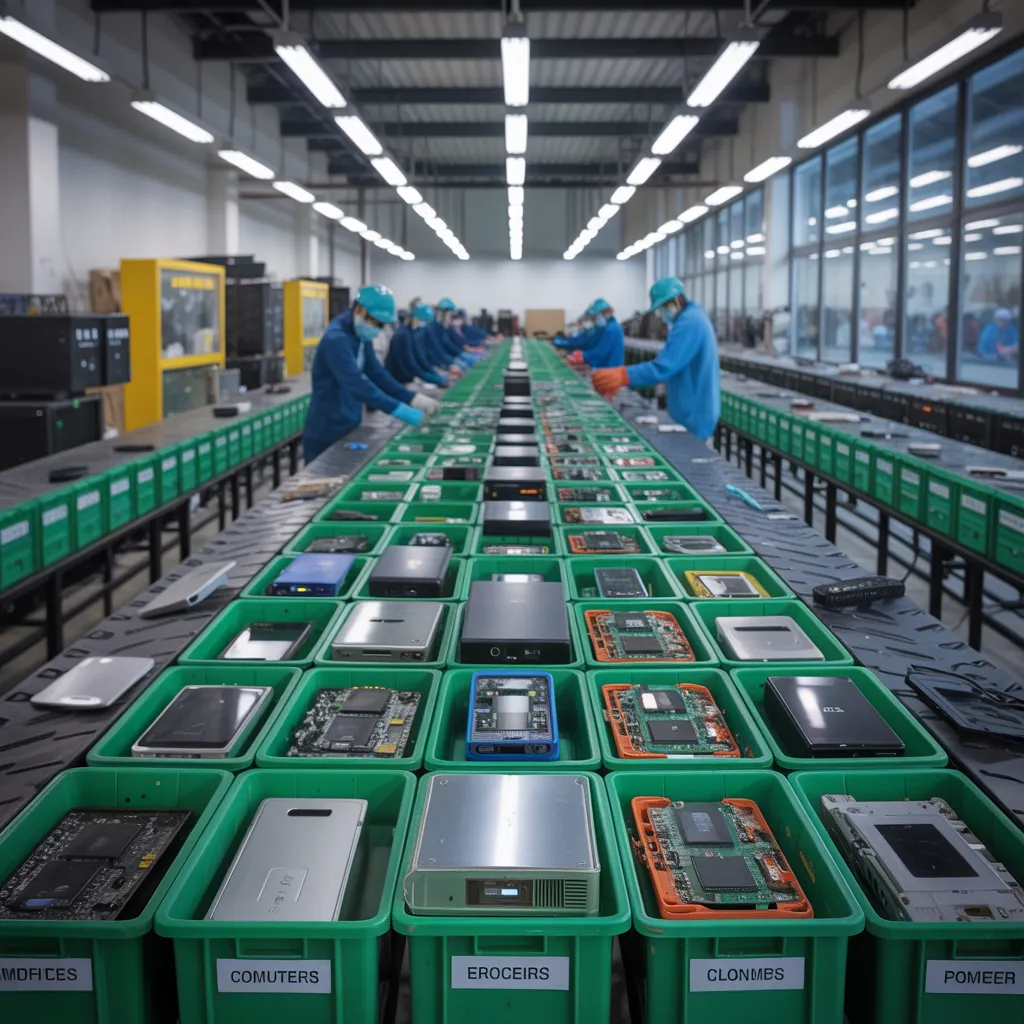
The recycling of e-waste encompasses an organized procedure aimed at reclaiming useful resources while limiting ecological damage. To begin, e-waste is collected and transported to dedicated processing centers. After reaching the facility, the electronics are carefully categorized to distinguish harmful elements from reusable resources.
After this step, specialists take apart the products, recovering plastics, metals, and glass. This phase is essential, as it enables the extraction of precious metals like silver, gold, and copper, which may be utilized in new electronics.
Afterward, the divided materials are handled via sophisticated techniques, such as mechanical shredding and chemical processing, to prepare them for further use.
Ultimately, the leftover hazardous waste is handled with responsibility, following environmental guidelines. This comprehensive process not only preserves valuable resources but also reduces the dangers associated with irresponsible electronic waste disposal, securing a more eco-conscious future for electronic consumption.
The Benefits of E-Waste Recycling for You and Your Community
Though many people are unaware, the advantages of e-waste recycling extend beyond personal convenience to positively impact entire communities. By properly recycling electronic waste, individuals contribute to a safer environment, reducing harmful substances that can seep into soil and water. This proactive approach actively safeguards local ecosystems and supports public health.
Furthermore, electronic waste recycling supports job creation within communities. Community recycling operations commonly require workers for various operations, covering everything from collection to processing, thereby providing employment opportunities for local residents. This not only stimulates the local economy but also promotes community participation in sustainable initiatives.
In addition, understanding of e-waste recycling can lead to awareness campaigns, empowering residents to adopt eco-friendly choices. By participating in e-waste recycling programs, individuals promote a culture of sustainability, encouraging others to follow suit. Ultimately, the combined impact of these actions can lead to a more sustainable and conscientious community.
How to Pick an E-Waste Recycling Service
Selecting the best e-waste disposal service is crucial for making sure that electronic refuse is handled in a responsible and sustainable manner. First, individuals should check the provider's accreditations, such as R2 or e-Stewards, which signify adherence to professional guidelines for safe recycling practices. It's also important to assess the organization's credibility by reviewing feedback and seeking advice from dependable sources.
Moreover, clarity in the recycling process is essential. A trustworthy company should supply straightforward details about the manner in which e-waste is managed and how the materials are utilized. Moreover, assessing the variety of services available can be advantageous; certain providers may offer collection services or present rewards for recycling.
Furthermore, familiarizing yourself with area-specific requirements for e-waste disposal can further guide the evaluation process. By prioritizing these factors, people are able to support efficient electronic waste handling while also advancing environmentally responsible practices.
How You Can Take Part in E-Waste Recycling?
Engaging in e-waste recycling can start at the local level, where community recycling hubs regularly supply essential services for responsible disposal. Additionally, taking part in community awareness campaigns can amplify efforts to inform others regarding the importance of responsible e-waste management. These actions not only advance environmental sustainability but also cultivate a collective sense of accountability for the environment.
Regional Recycling Centers
Many community recycling facilities fulfill a critical purpose in the recycling of e-waste, offering communities convenient opportunities to dispose of electronic waste responsibly. These hubs welcome a selection of electronic devices, including used computers, handheld devices, and televisions, guaranteeing that dangerous substances are processed safely. Many hubs feature experienced team members who can guide individuals on proper disposal methods, emphasizing the importance of recycling over landfilling. Additionally, several stations organize organized drop-off opportunities or appointed collection periods, allowing residents to take part with ease. Through the use of these community services, individuals contribute to a circular economy, reducing environmental impact and promoting sustainable practices. Partnering with these facilities allows communities to address e-waste pollution proactively.
Public Awareness Initiatives
Nearby organizations, schools, and enterprises can collaborate to host events that promote e-waste collection drives. Volunteers can play a pivotal role in raising awareness, sharing informational resources, and connecting with local residents. As a result of these combined actions, residents become more informed and motivated to recycle their electronic waste, ultimately contributing to a more sustainable future.
Common Questions and Answers
What Types of Electronics Can Be Recycled?
A wide range of electronics are able to be recycled, including computers, smartphones, televisions, laptops, gaming consoles, and printers. Visit here In addition, ancillary devices such as mice, keyboards, and batteries are equally appropriate for recycling, contributing to environmental conservation efforts.
Is There a Cost Associated With E-Waste Recycling?
Indeed, e-waste disposal can include costs, depending on the facility. Some facilities apply costs for pickup or handling, while some providers provide no-cost solutions, typically funded by the proceeds from salvaged materials.
How Can Businesses Benefit From E-Waste Recycling?
Companies can take advantage of e-waste recycling by lowering disposal expenses, strengthening their ecological standing, meeting compliance standards, reclaiming useful materials, and possibly earning income through resale, thereby fostering a more environmentally responsible business approach.
What Occurs with Data on Recycled Devices?
Details regarding refurbished equipment is often completely removed or destroyed during the refurbishment process. This guarantees private details stays protected, stopping improper access while enabling materials to be repurposed safely and responsibly in new products.
Are Broken Electronics Eligible for Recycling?
Yes, damaged electronics may be recycled. Many facilities take in non-functioning devices, ensuring safe disposal and extraction of useful materials. It helps lower harm to the environment while supporting eco-friendly recycling methods to handle electrical waste efficiently.